


A fresh coat of paint can’t fix real problems in a house. The same goes for your digital marketing.
When leads slow down, many remodeling companies assume the answer is a website redesign. New photos. Revised layout. Modern branding. It feels productive — like something is being improved. But in digital marketing for remodeling companies, performance issues are often structural, not visual. If the underlying foundation hasn’t changed, the results usually don’t either.
A website can look cleaner and still underperform if the basic structure has not been fixed. Before investing in another redesign, it may be worth asking a different question: does your digital presence need a refresh — or does it need a remodel?
If you’re not sure whether your website is helping or hurting your business, download the Website Remodel Scorecard to evaluate it in about 10 minutes.
Remodelers know that you don’t start with finishes. You don’t install cabinets before checking the framing. You don’t tile over an uneven subfloor and hope it works itself out. You assess first. You remove what isn’t working. You take measurements. You make a plan. Then you build.
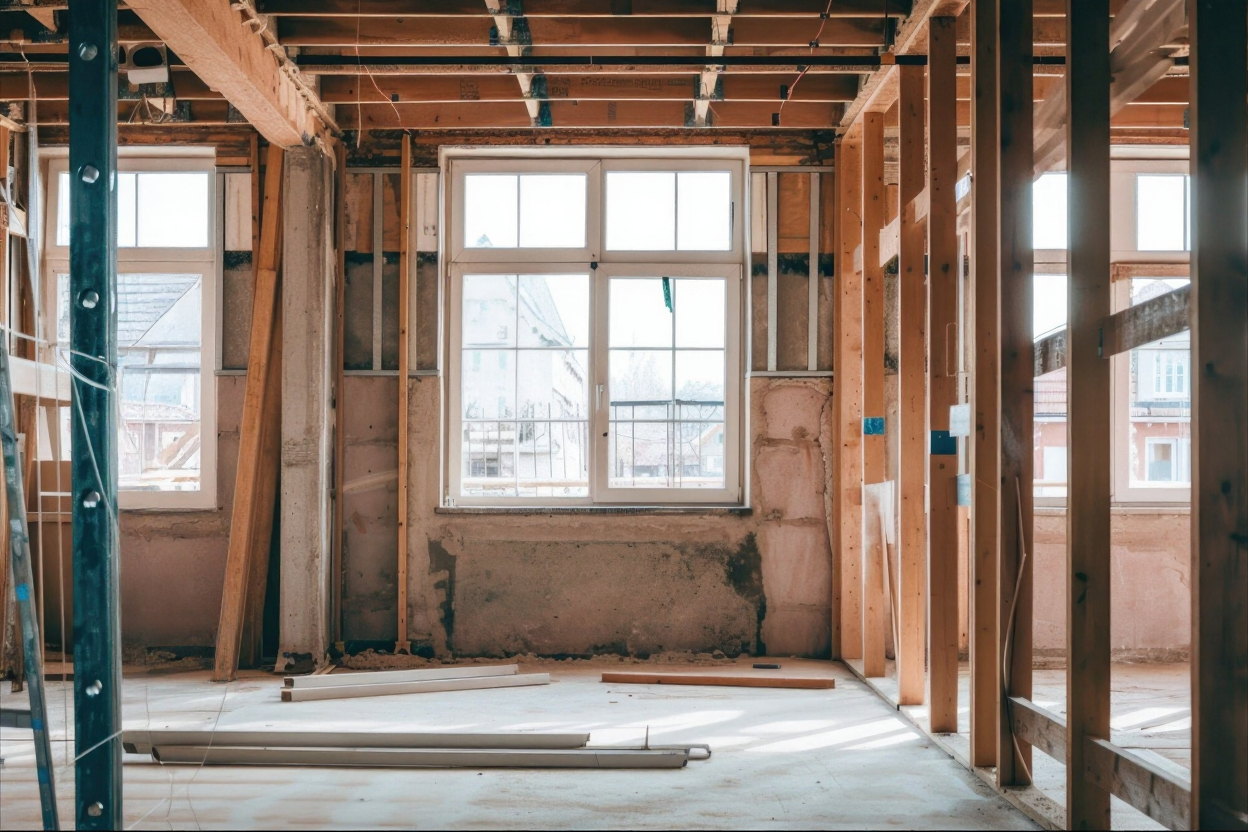
Yet many remodeling companies approach their digital marketing in reverse. Over time, layers get added — a new service page here, a blog post there, a social account launched and left unattended, a Google Business Profile created but never optimized. None of those decisions is wrong on its own. But collectively, they can create structural chaos.
Search engines don’t guess what you specialize in; they rank clarity. Homeowners don’t know where your expertise lies; they respond to what feels obvious and trustworthy. If your services aren’t clear, if your geographic focus isn’t obvious or if your online authority signals are scattered, no amount of “paint” will correct that.
Your digital marketing structure isn’t about color schemes or fonts. It’s about whether your services are organized in a way that reflects how homeowners search online. It’s about whether your geo-signals support the market you service. It’s about whether your website, Google profile and content are working together — or operating independently.
In many cases, strong remodeling businesses are built long before their digital presence catches up. Referrals often carry a company for years. Reputation spreads through word of mouth. But eventually, search visibility and online authority begin to influence growth in more noticeable ways. At that point, adding more content or redesigning the homepage may feel like progress — but if the structure underneath isn’t supported, the gains are weak.
Remodeling projects happen in phases. There’s an initial assessment. There’s a demo. There’s structural work. Then finishes. Digital growth follows a similar path. Before expanding content, launching campaigns or investing in a new design, it’s worth evaluating whether the foundation is strong itself. Are your core services obvious? Does your online presence reinforce the locations you serve? Is it easy for a potential client to contact you? These are structural questions, not aesthetic ones.
A redesign can improve appearance. A remodel improves performance.
If your digital marketing foundation hasn’t been structurally evaluated in years, it may not need a new look. It may need reorganization, realignment, clarification. The same mindset that guides a successful renovation — assess first, correct what’s underneath, build intentionally — applies digitally as well.
Because when the foundation changes, the results do too.
Not Sure If Your Website Is Structurally Sound?
If you’re reading this and wondering how your own website stacks up, I put together a simple way to evaluate it.
The Website Remodel Scorecard walks through six areas that often determine whether a website is actually generating leads — including messaging clarity, service structure, local visibility and conversion pathways.
It takes about 5–10 minutes to complete and can help identify where your digital foundation may need attention.
Download the Website Remodel ScorecardIf you’d prefer a more in-depth review, the Website Clarity + Optimization Package walks through exactly what’s working, what isn’t and what to improve first.