
Most remodeling websites look good on the surface. They have a nice design and great project photos, but they struggle to produce consistent, qualified leads.
They may look good, but they perform poorly.
When this happens, it usually comes down to clarity, both in the message itself and in the way the website is put together.
Service pages that don’t sell the service
In my experience, most remodeling websites either lack service pages or, if they exist, they’re not doing much with them.
I’ve found some websites that mention the services they provide in the headline or on the homepage, but they’re buried throughout the rest of the website.
And even when service pages are present, they’re not set up in a way that helps the visitor move forward. They don’t help the visitor understand the positioning, the process, or the kind of remodeling project the company wants to attract.
Good service pages don’t just tell people what you do. They help potential clients understand if you’re the right fit.
Where a website loses local relevance
Local visibility is a major weak spot for many websites.
For most remodeling companies, their leads come from a specific service area – but more often than not, their website doesn’t really make clear where they work or who they serve.
Sometimes that shows up as a Google Business Profile that’s either missing or outdated, or location pages on your website that use the same old content from city to city, simply swapping out the city name.
From a search perspective, duplicate content makes it difficult to rank for your services in specific areas. From a user’s perspective, it creates confusion.
When someone lands on your website, they should be able to tell what your service area is and the types of projects you take on. When the connection isn’t clear, it adds friction for your audience – even if the rest of the site looks great.
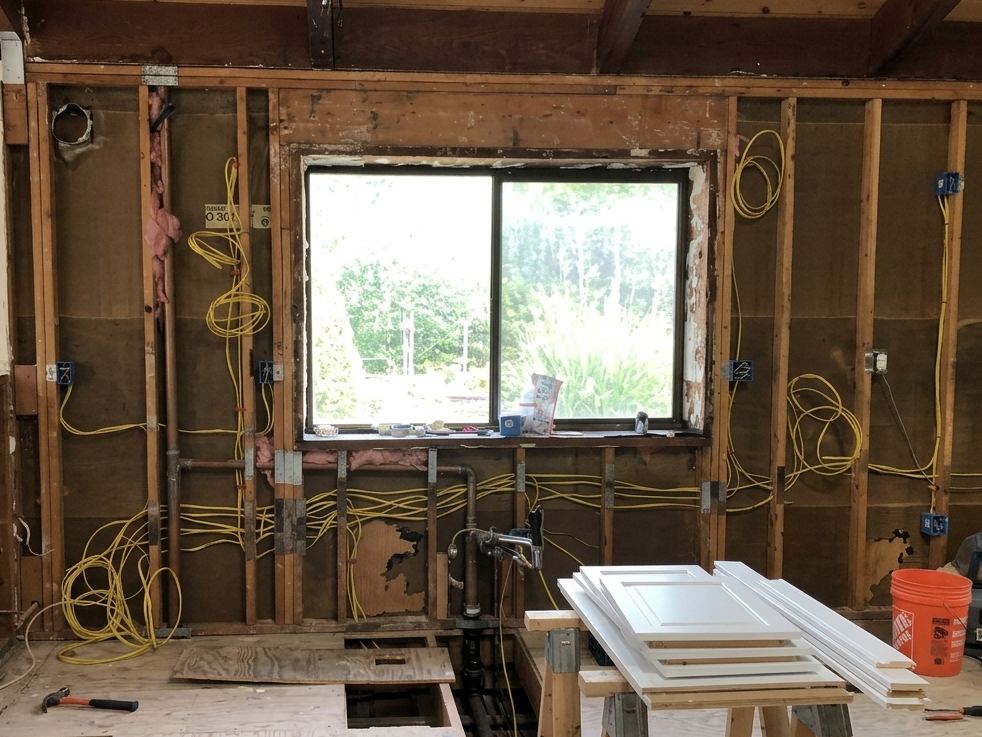
The SEO shortfall that gets lost behind the scenes
There’s often a pretty significant gap between how a website looks to the public and how it works on the back-end.
A lot of the time, title tags, meta descriptions and schema are left set to default, just as they were when the site first went live. Often forgotten, these are probably the most important parts of a website that most of us never see – crucial for search engines to understand your site and for users to get the most out of it.
When the basic framework is missing or poorly built, it makes it harder for people to find your website in the first place.
And when they do, if your messaging doesn’t match what they were expecting, it can be a letdown.
If you’re not sure how your website performs in these areas, you’re not alone. Most of these issues aren’t obvious at first glance. That’s why I created the Website Remodel Scorecard. With a few quick questions, you can assess what’s working, what’s not, and where to focus first.
And if you want a professional, more detailed review, the Website Clarity + Optimization Package takes it a step further by identifying exactly what’s holding your site back and how to improve it.
A successful website doesn’t just look good; it works. In most cases, whether the site works or not comes down to clarity in what you are telling your audience and in how it guides them to inquiry.